
The water in Bone Lake is clean enough for fishing, swimming, and water recreation for the first time in 20 years, thanks to a comprehensive watershed restoration effort led by the Comfort Lake – Forest Lake Watershed District, in partnership with the Bone Lake Association.
“When we moved to Bone Lake in 2012, I remember swimming in the lake and being unable to see my toes in waist deep water,” says Dave Bakke, the former president of the Bone Lake Association who now serves on the watershed district board. “Blue green algae appeared during hot summers and the carp spawning would wake us up at night.”
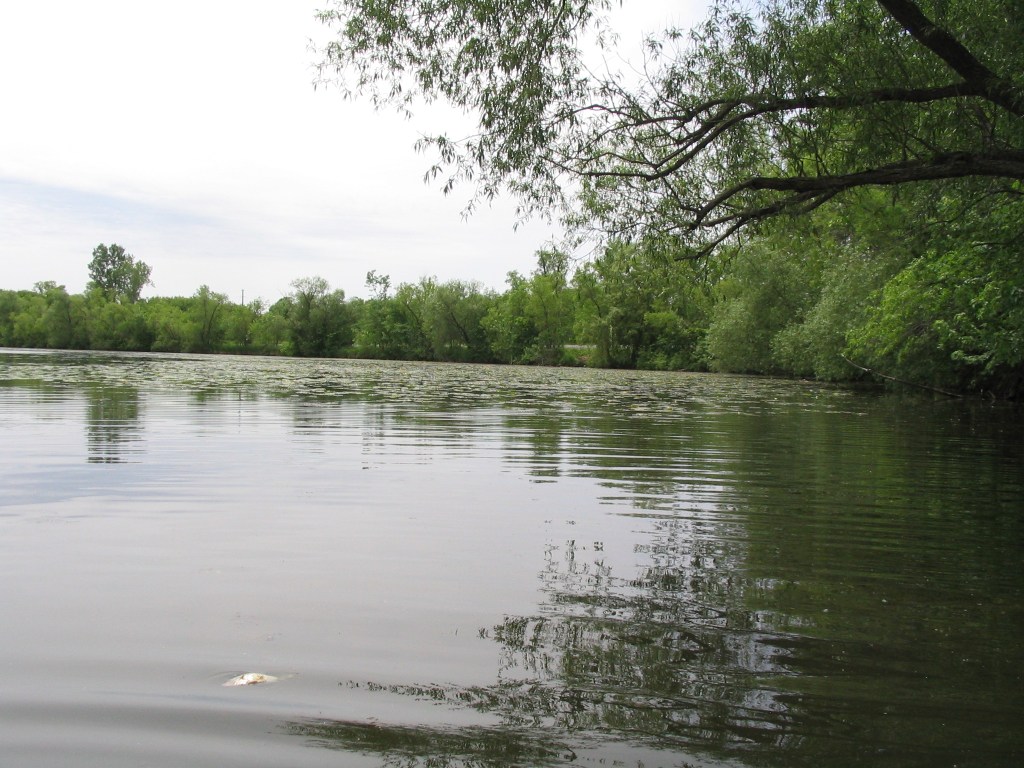
Bone Lake had been on the State of Minnesota’s impaired water’s list since 2004 and water monitoring data showed that the lake had elevated levels of phosphorus, a naturally occurring element that feeds plant and algal growth. In small doses, phosphorus is a critical building block for healthy aquatic ecosystems. When stormwater runoff from surrounding homes and farms adds too much phosphorus to a lake or river, however, the water can quickly turn green and unhealthy.
“When you think about it, water resources in our area have suffered from 200 years-worth of damage due to logging, farming, ditch-building, and development,” explains Steve Schmaltz, president of the Comfort Lake – Forest Lake Watershed District. “The watershed district has been using diagnostic monitoring to identify sources of water pollution and develop cost-effective restoration projects, and in a lot of examples, we’re looking back at aerial photography and developing projects to address legacy pollutant loads from farms that might not even be in operation any longer.”
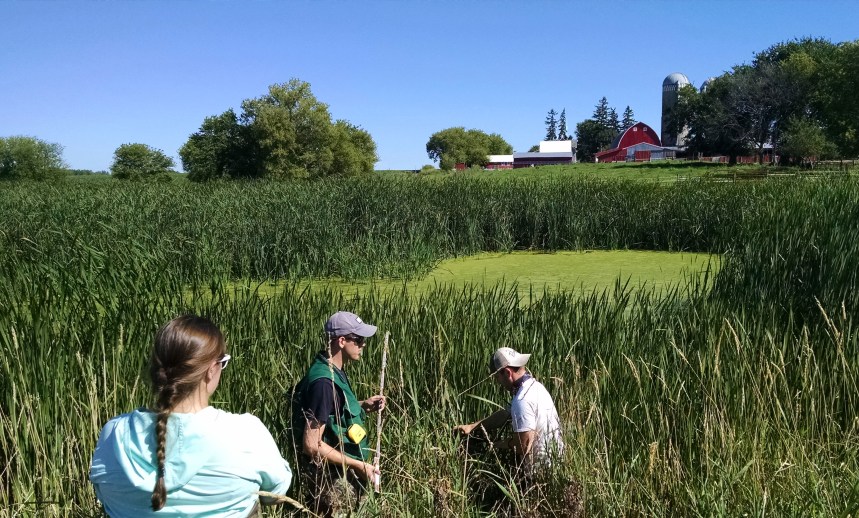
“Our first surprise was learning that Moody Lake was such a big contributor to Bone Lake,” says Mike Kinney, the watershed district’s administrator. “We finished the total maximum daily load (TMDL) study for Bone and five other lakes in 2010, and we realized that we needed to start our work further upstream.”
That year, the district worked with a commercial fishing operation to remove 23,000 pounds of invasive carp from Bone Lake and 3,600 small bullheads from Moody Lake. They also installed a low-velocity fish barrier to prevent rough fish from migrating into wetlands to breed. Controlling the rough fish populations helped to stabilize in-lake conditions and allow native aquatic plants to root-in and begin cleaning the water naturally.

At the same time, the watershed district employed diagnostic monitoring to identify sources of phosphorus in the surrounding watershed. “There are no beacons out on the landscape that tell you where the phosphorus is coming from,” laughs Kinney. “In reality the watershed science has been evolving over the past 15 years as we’ve been doing this work and we’re constantly learning how to operate more efficiently and effectively.”
With funding assistance from the Minnesota Clean Water Fund, the Comfort Lake – Forest Lake Watershed District excavated and removed nutrient-rich sediment from wetlands surrounding Bone and Moody Lakes, planted buffer strips to protect against erosion and runoff pollution, and helped one farmer to install fencing and implement rotational grazing to limit the impact of cattle on the lakes. Little by little, water quality in Bone Lake began to improve.

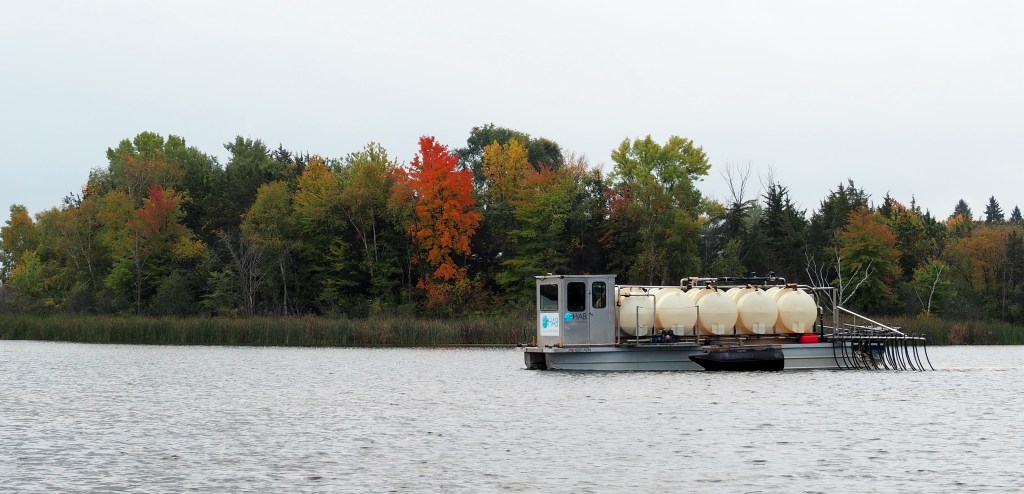


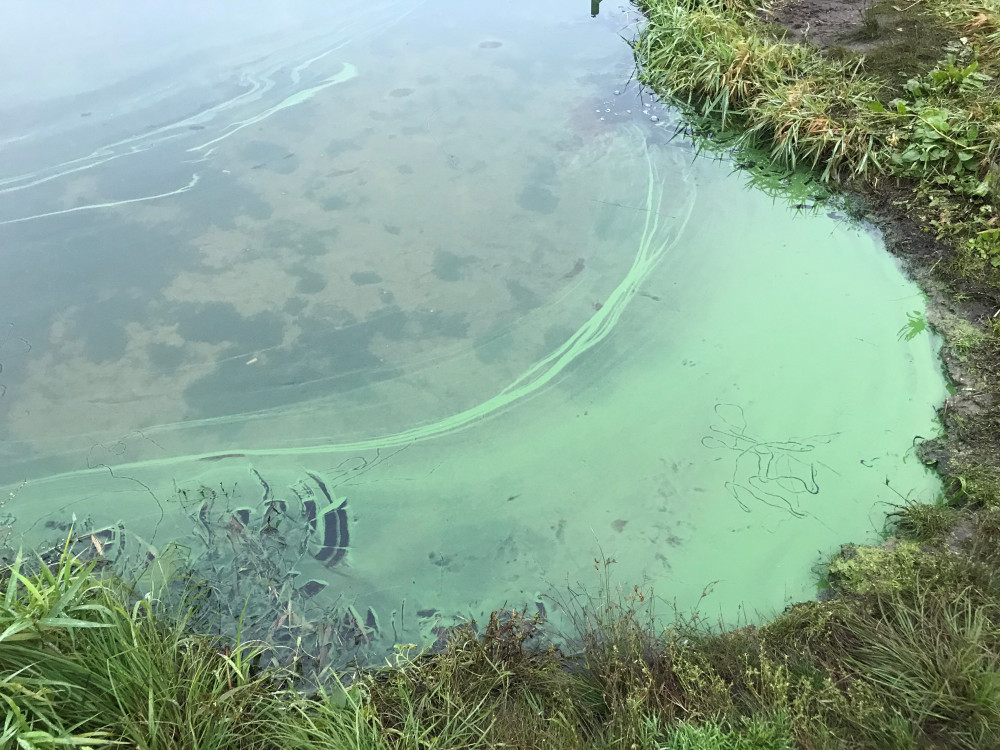
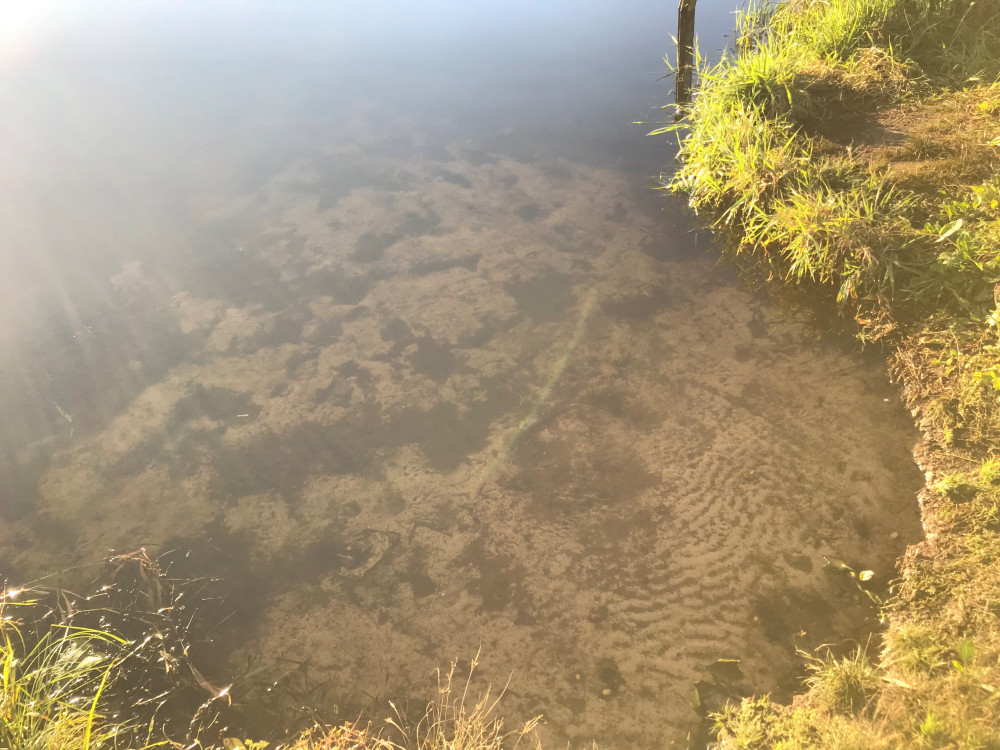
“By the time we bought our cabin on Bone Lake eight years ago, the watershed district and lake association had already done so much of the work needed to get the lake delisted,” says Tom Furey, the current president of Bone Lake Association. Nevertheless, Furey eagerly joined the team of people working to steward the lake. He planted deep-rooted trees and native plants along his shoreline and helped his neighbor to do the same, spent a year gaining certification as a Minnesota Water Steward, joined the watershed district’s Citizen Advisory Committee, and even volunteered to collect water quality data from stream inlets around Bone Lake. “I think we chose well when we came to Bone Lake because it’s a nice lake and it’s getting even better,” Furey declares. “Looking toward the future, we want the lake to be a destination, not necessarily for fishermen, but definitely for fish.”

Bakke, Schmaltz, Kinney, and Furey all underscore the importance of working collaboratively and using a targeted approach to improve water quality in Bone Lake at minimal cost to local taxpayers.
“A lot of people have dedicated so many years toward this goal so it’s important to recognize everyone,” Schmaltz emphasizes. “Jackie Anderson is the only remaining member of our founding board and she has provided direction for our organization for 25 years. Wayne Moe was another long-serving board member and he also happens to live on Bone Lake. Numerous current and past staff and board members have worked hard to achieve this goal. Right now we’re celebrating Bone Lake’s de-listing, but five of the six lakes listed as impaired for excess nutrients are now passing state standards and will likely be delisted in the next two years.”
In honor of Bone Lake’s delisting, the Comfort Lake – Forest Lake Watershed District and Bone Lake Association will host a community celebration at the Scandia Community Center (14727 209th St N.) on Thursday, June 11 at 5pm. There will be a short program, followed by pizza, refreshments, and cake. Please RSVP to Adam Hjelm at adam.hjelm@clflwd.org or (651) 395-5850. All are invited and welcome to attend.

 East Metro Water